Real World Nutrition News You Can Use
There is a lot of misinformation about nutrition. And nothing in this field is black-or-white, yes-or-no, but many shades of gray and a lot of “it depends.” So, my goal is to help clear up some of that misinformation with some snark, entertainment, and facts (with some opinion thrown in).
Many of these topics come from interactions with the public, friends, clients, and students. I see sheer misinformation about the science of nutrition, and I do my best to clear things up one blog post at a time.
If you have a topic you are wondering about, let me know.
Looking for a specific topic? Search to see if it is already here.
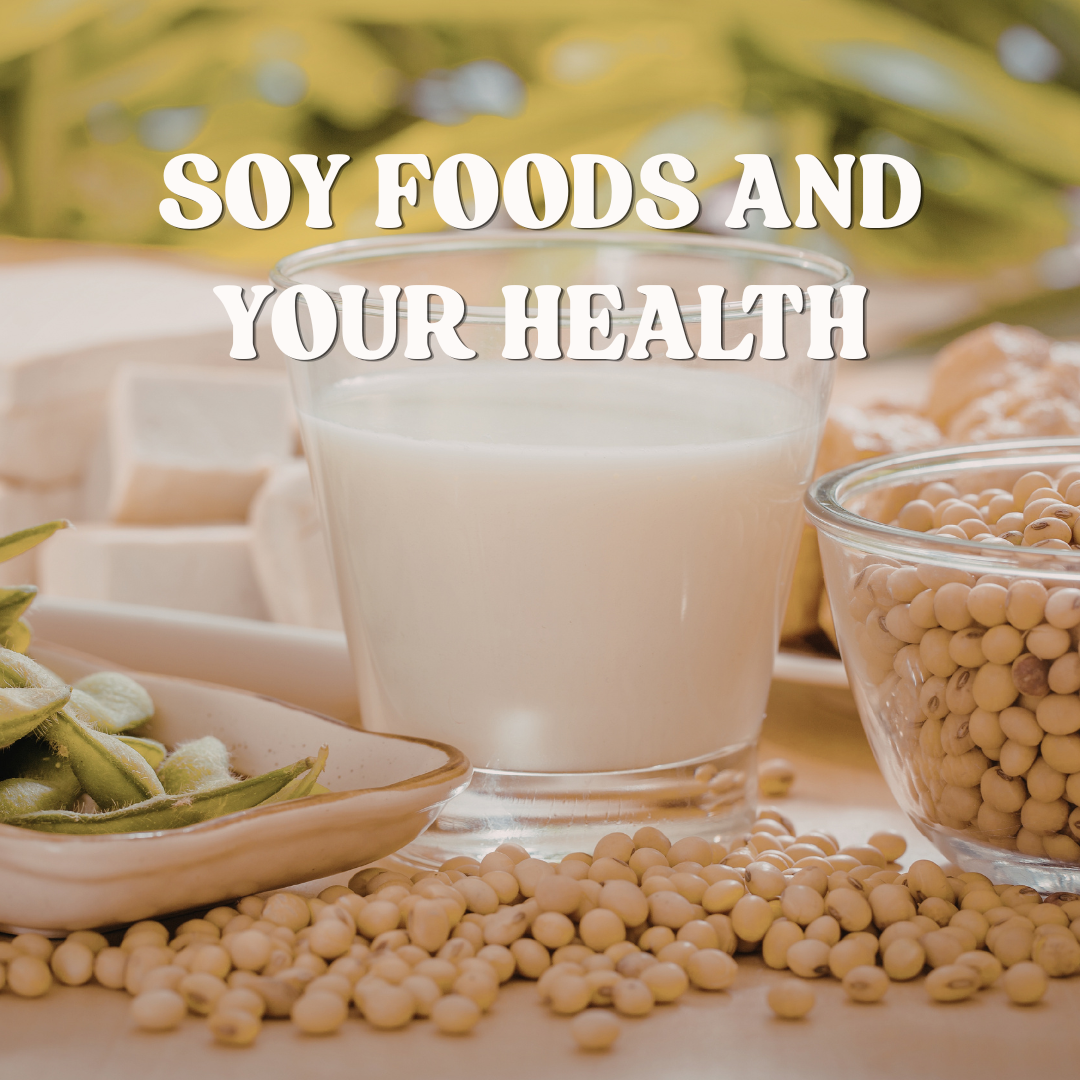
Soy Foods and Your Health: Benefits, Myths, and Who Should Eat Them
Soy often gets a mixed reputation. Here is what it actually is, what the research says, and how it can fit into everyday eating.
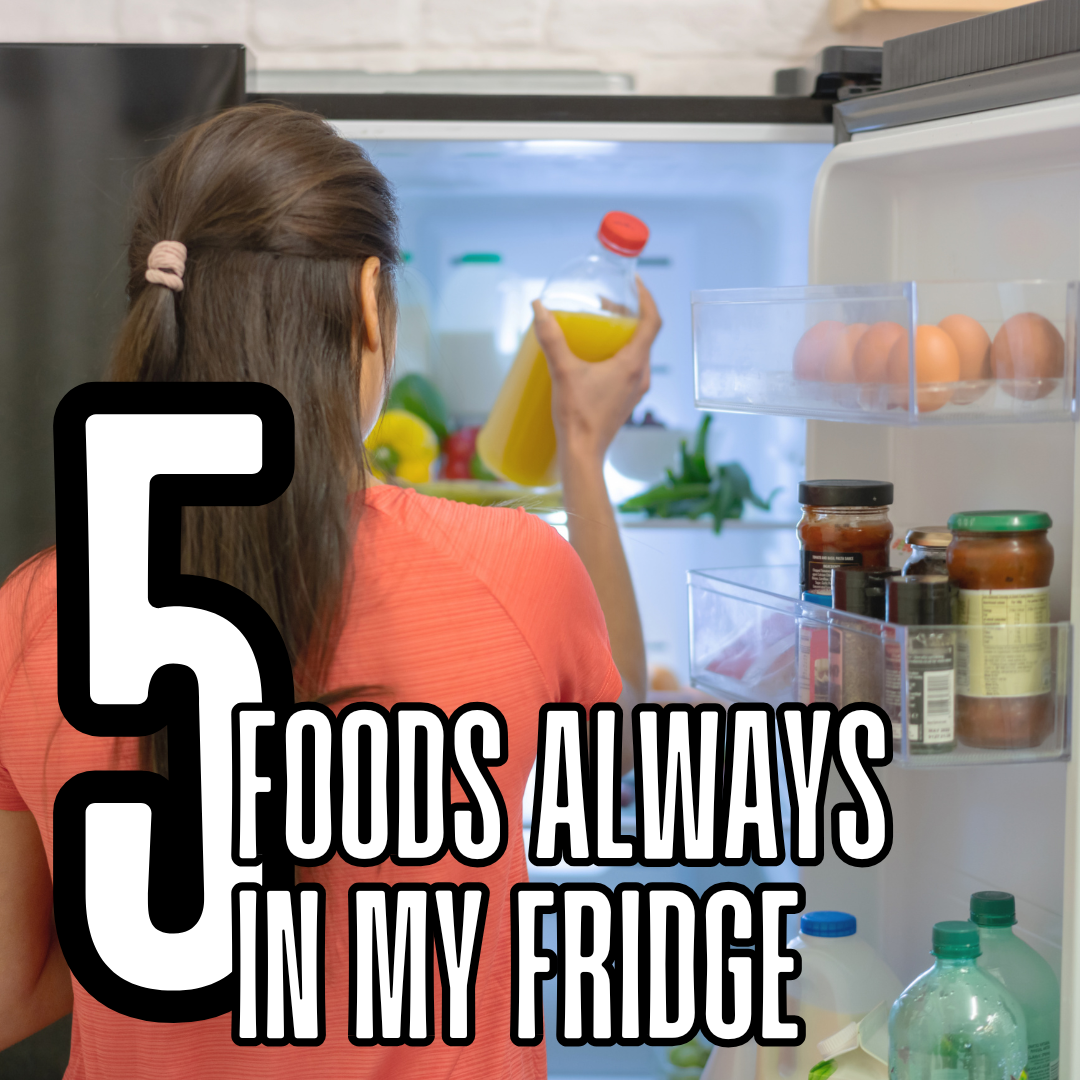
Five Foods Always in My Fridge
Ever wonder what a dietitian actually keeps in their fridge? Here are five foods that are always stocked in mine and how I use them in everyday meals.

Alcohol and Your Health: What “Moderation” Really Means
What counts as “one drink” might not be what you think. Here’s how alcohol actually affects your body and what moderation really looks like in real life.
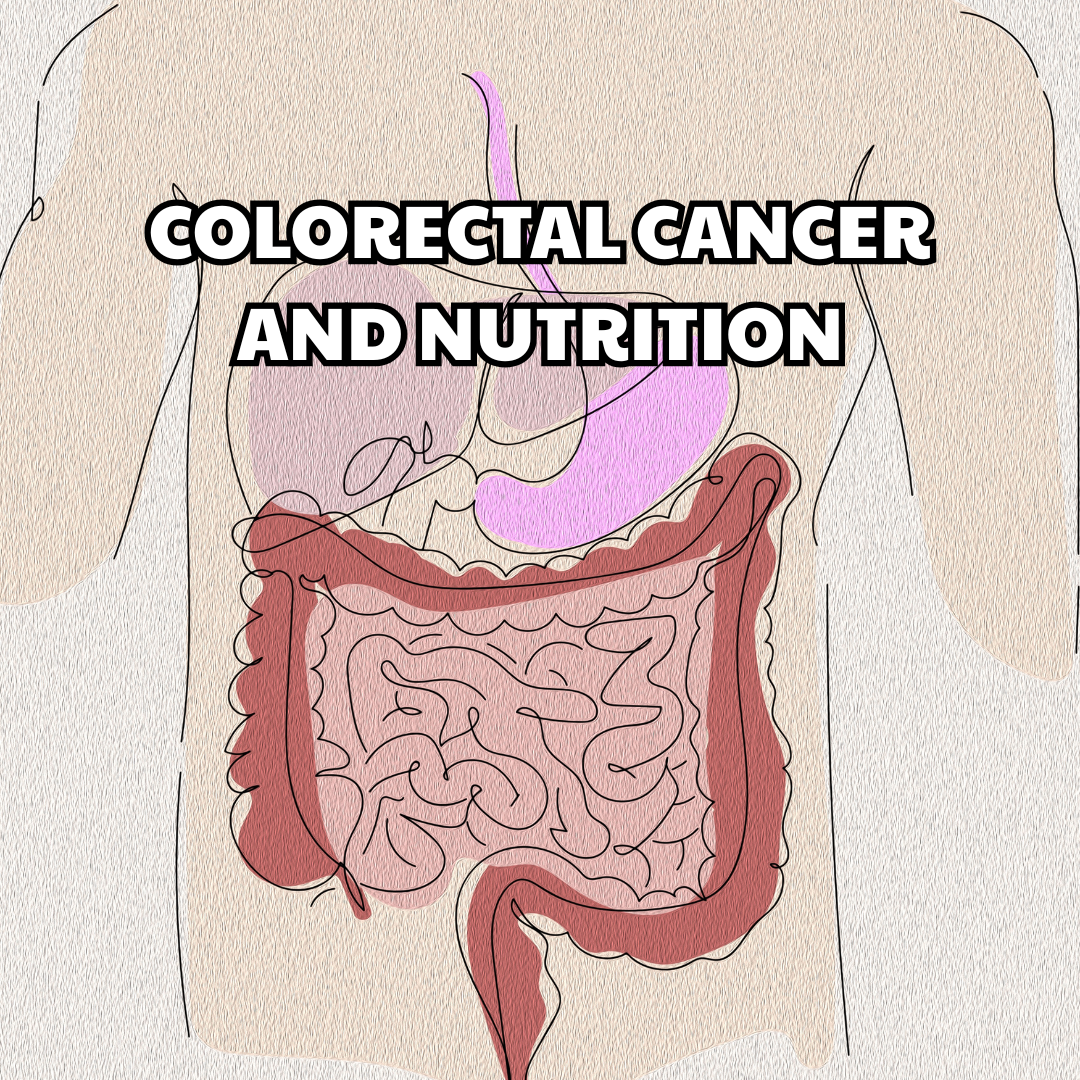
Colorectal Cancer and Nutrition: Risk Factors, Fiber, and Prevention
Colorectal cancer is increasing in younger adults. Learn how nutrition, fiber, alcohol, red meat, and physical activity influence risk and prevention.
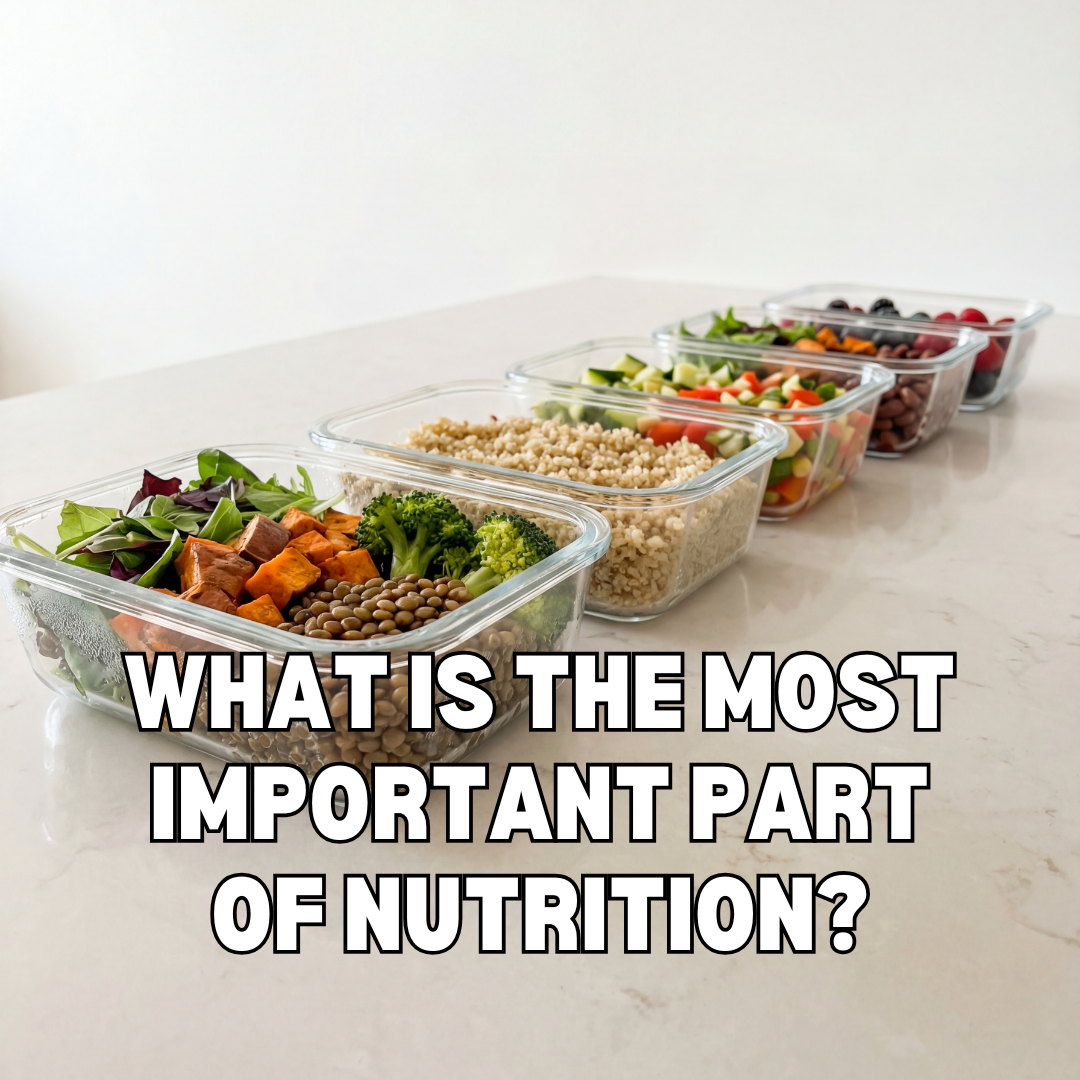
What Is the Most Important Part of Nutrition?
If you had to choose the most important part of nutrition, what would it be? The answer is not as simple as one food or one rule.
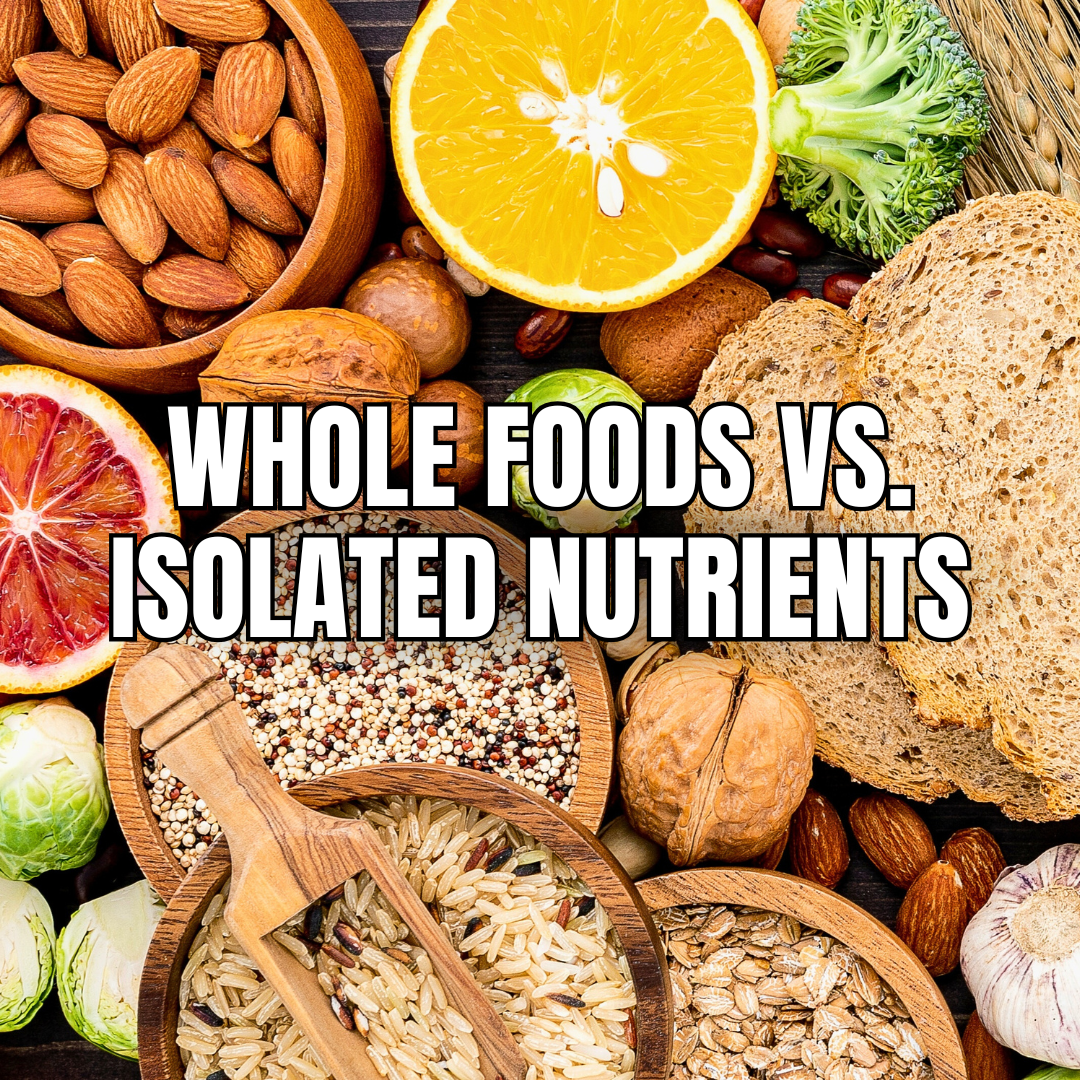
Whole Foods vs. Isolated Nutrients: Why Food Synergy Matters
Supplements may seem convenient, but they do not replace whole foods. Here is why nutrients work better together and what that means for your health.
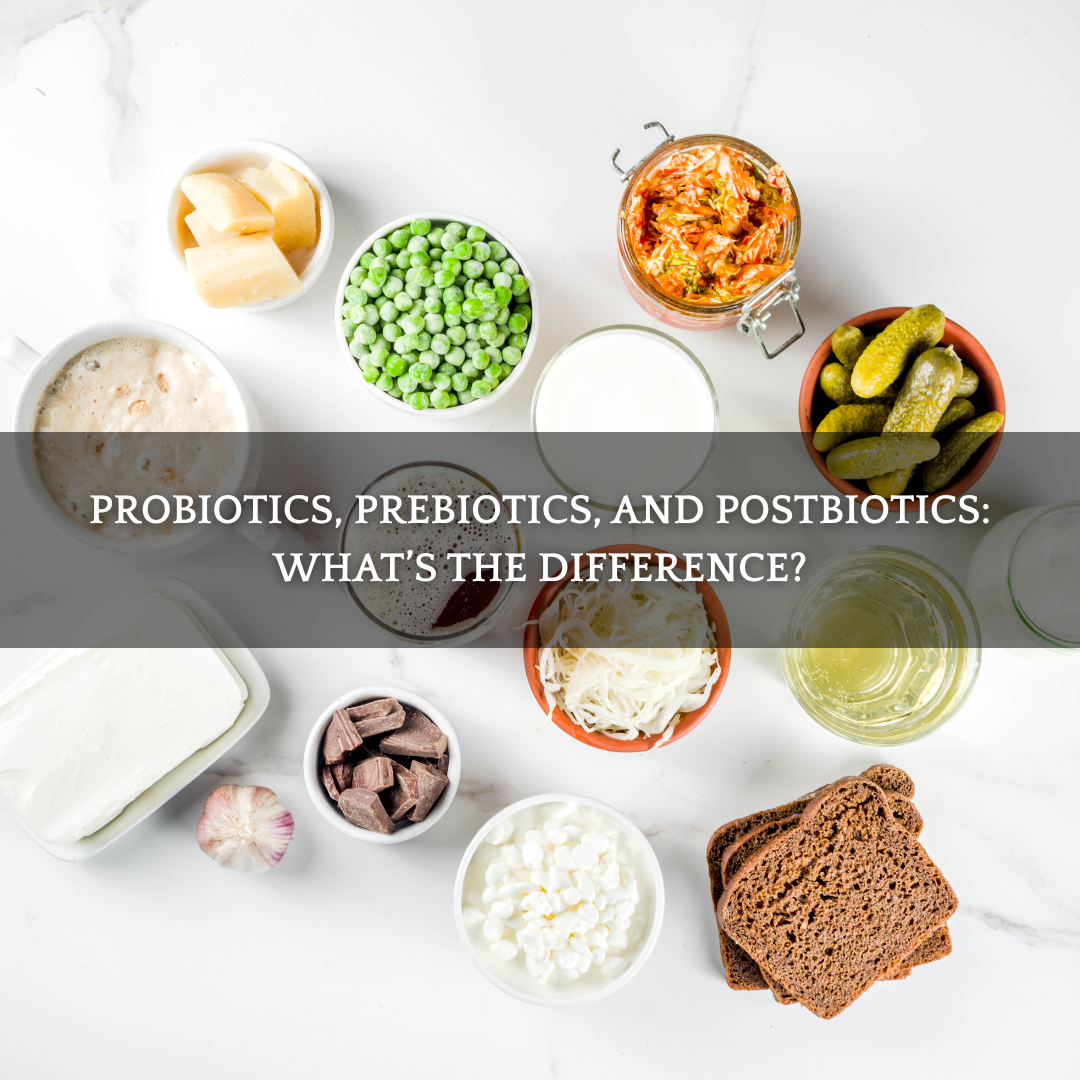
Probiotics, Prebiotics, and Postbiotics: What’s the Difference?
Probiotics get most of the attention, but prebiotics and postbiotics matter too. Here’s what each one is, where to find them, and how they support your gut microbiome.
Five Foods Always in My Freezer
A look inside a dietitian’s freezer with five go-to foods that make meals easier, more flexible, and budget-friendly.
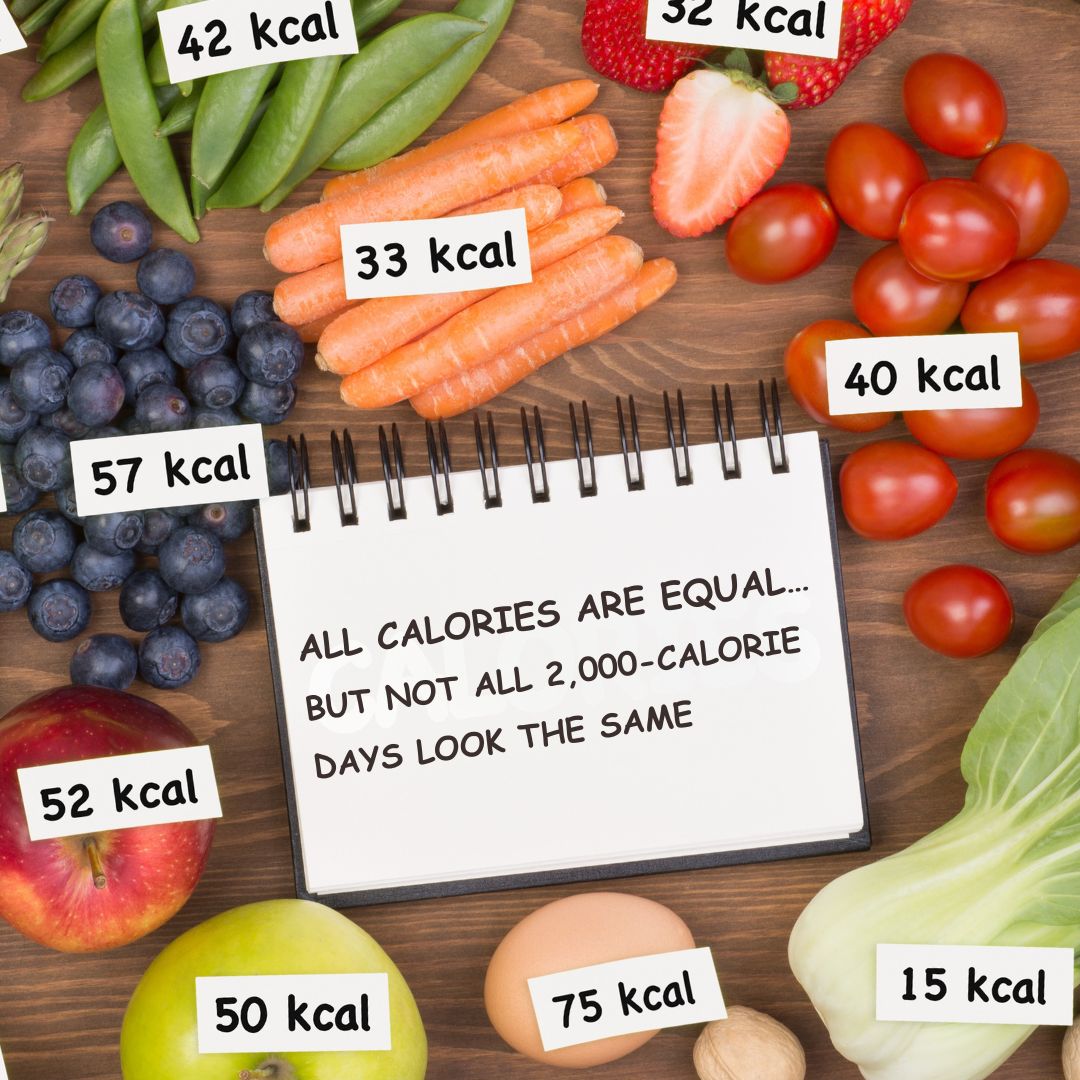
All Calories Are Equal… But Not All 2,000-Calorie Days Look the Same
Calories measure energy, but two days with the same calorie intake can look very different nutritionally. Here is why food quality, volume, and nutrients matter.
Can You Calculate Exactly What Your Body Needs? (And Why It’s Not That Simple)
Can you calculate exactly how many nutrients your body needs? Nutrition equations provide estimates, but real life is far more complex. Learn why flexibility matters when it comes to eating.
Good For You Green Foods
Green foods are packed with nutrients that support health. From leafy greens and broccoli to avocados, green tea, and New Mexico green chile, learn why these foods deserve a place on your plate.
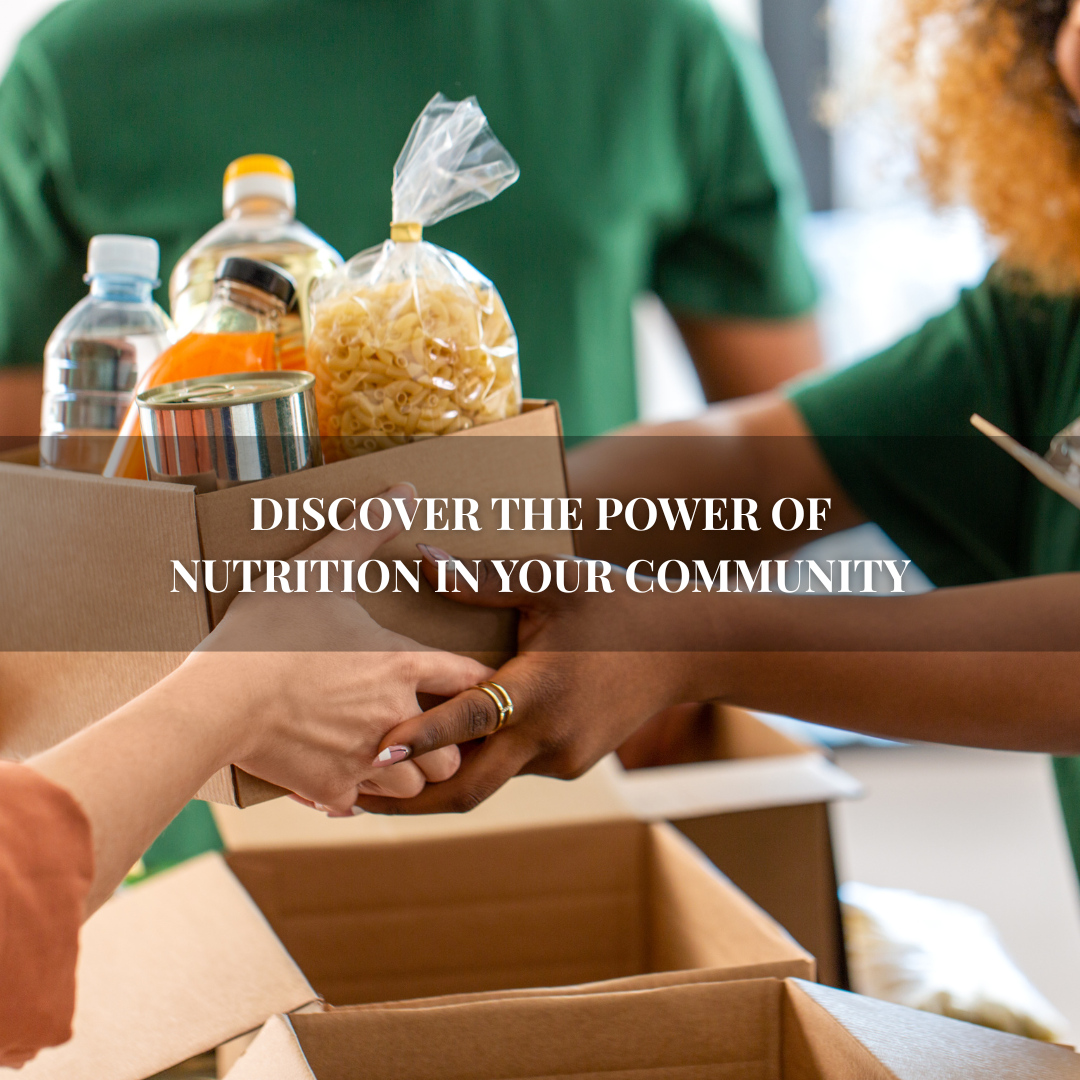
Discover the Power of Nutrition in Your Community
Healthy eating is influenced by the communities we live in. Learn how food access, frozen foods, local food systems, and community programs support nutrition and affordability.
Discover the Power of Nutrition: Small Habits That Support Long-Term Health
Small nutrition habits can support energy, digestion, and long term health. Learn practical strategies for meal rhythm, fiber intake, hydration, and consistent routines during National Nutrition Month.
Four Foods to ADD to Your Diet
Instead of cutting foods out, try adding these four nutrient-dense options to improve your overall eating pattern.
RDA, DRI, AMDR, AI, and UL: What Do These Nutrition Terms Actually Mean?
RDA, AI, UL, AMDR, and DV show up everywhere in nutrition. Here is what they actually mean and how they guide healthy eating.
Adequacy, Balance, Moderation, and Variety: The Four Pillars of a Nourishing Diet
Do you need to track every calorie and nutrient to eat well? Not at all. Here is why nutrition is not exact and what really matters for a nourishing diet.
5 Ways to Make Healthy Eating Easier
Healthy eating can feel complicated. It does not have to be. Here are five practical ways to make it easier and more sustainable.

Can We Really Feed People Well for $3 a Meal? A Reality Check
Can Americans really eat well for $3 per meal? This final installment in the DGA series examines food costs, policy claims, and the gap between theory and lived experience.
How the Dietary Guidelines Shape Federal Nutrition Programs
The Dietary Guidelines are not written for individuals. They shape federal nutrition programs that serve millions. Here is how policy becomes practice and why that matters.

Alcohol in Moderation: What the Current Guidelines and Research Actually Say
Alcohol recommendations have changed. Here is what current research says about health risks, moderation, and who should avoid drinking altogether.