
Seafood 101: What Counts as Seafood?
In all my years of being a dietitian, I think one of the more confusing, and even “scary” foods or topics is seafood. Some people don’t care for it at all, while others have a particular preference. What I hear most often is, “I don’t know how to prepare or cook it.” Granted, I live in the high desert southwest, where seafood is not a local cuisine other than river trout.) So, with October being National Seafood Month, I figure this is a good time to address “seafood” and why it is often included, almost always included as part of a healthy eating pattern. Globally, seafood appears in a wide range of eating patterns, from sushi to shrimp tacos, from grilled salmon to clam chowder. But what exactly counts as seafood? Many people think only of fish, but seafood is a much bigger category.
This is the first in a three-part series on seafood. Today, we’ll look at what seafood encompasses and the main categories you’ll see in stores and on menus. Next week, we’ll get into some common myths about seafood, like concerns about mercury, whether fresh is really better than frozen, and the debate between wild-caught and farmed. Finally, we’ll wrap up the series by talking about seafood and sustainability.
What Exactly Counts as Seafood?
Seafood isn’t just fish. When most people think of seafood, they picture a salmon fillet, a can of tuna, or fried fish sticks. But the term “seafood” covers all edible sea life. Broadly speaking, seafood can be categorized into four main types: finfish, shellfish, mollusks, and crustaceans. So what do these categories entail?
Finfish
Finfish are what most of us picture first. These are fish with backbones and fins – hence the name or term “finfish.” Common examples include salmon, tuna, cod, trout, tilapia, haddock, snapper, halibut, and sardines. Finfish can come from freshwater (like lakes and rivers) or saltwater (like oceans).
Nutritionally, finfish are a great source of lean protein and often provide omega-3 fatty acids, particularly in fatty fish such as salmon, mackerel, and sardines. These omega-3s are associated with improved heart and brain health. Now, not all finfish are an excellent source of omega-3s. That’s only the so-called fatty fish. This includes the fish commonly found in cans, also known as the SMASH fish: salmon, mackerel, anchovies, sardines, and herring. This doesn’t mean canned is “better,” but it's just a way I help people remember which fish are higher in omega-3s. “White fish” have very little fat, so they are not a particularly good source of omega-3 fatty acids, but they are definitely a great source of protein.
Shellfish
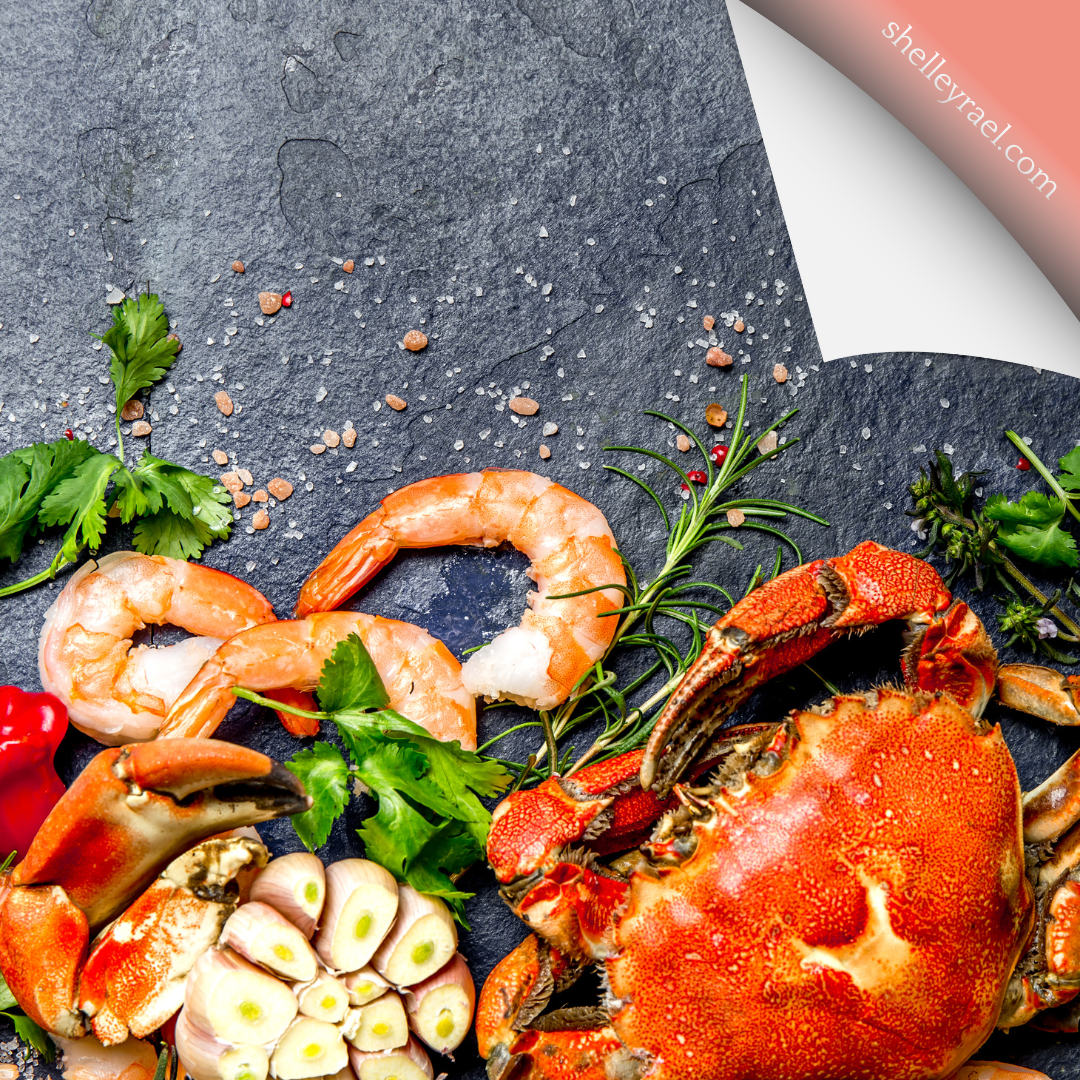
Shellfish refers to animals with shells – shellfish – these names are just too easy… This category can be divided into two groups: crustaceans and mollusks. Many people lump them together, but there are significant differences.
Crustaceans
Crustaceans include shrimp, crab, lobster, and crawfish. These creatures have segmented bodies, hard exoskeletons, and jointed legs. Shrimp is the most widely eaten seafood in the United States, thanks to its mild flavor and quick cooking time.
Mollusks
Mollusks are a larger category and can be further broken down:
Bivalves: Clams, oysters, mussels, and scallops. These have two shells hinged together.
Gastropods: Think snails, such as conch or abalone.
Cephalopods: Octopus and squid, known for their tentacles and sometimes chewy texture.
Mollusks are rich in protein and certain vitamins and minerals, like vitamin B12, zinc, and iron. Oysters, in particular, are one of the best sources of zinc you can eat. But mollusks tend to be the type of seafood that many people have very strong feelings for. Or against. That’s okay. No one is forcing oyster stew or squid on anyone. If you like it, great. If not, go ahead and go with finfish or the crustaceans.
Other Edible Sea Life
Seafood doesn’t stop there with the “creatures.” Seaweed and algae are sometimes included in broader definitions, especially since they are edible and often consumed alongside fish and shellfish. While technically not “seafood” in the strictest sense, they’re an important part of many coastal cuisines and provide fiber, iodine, and antioxidants. This is where vegetarians and even vegans can get some nutrient benefits from seafood.
Allergies and Preferences
It’s worth noting that shellfish (both crustaceans and mollusks) are among the most common food allergens. Most people don’t realize that seafood allergies are categorized into two different types: finfish allergy and shellfish allergy. Someone may tolerate fish but not shrimp, or vice versa. If you’re introducing seafood to your diet, always be aware of possible allergies.
On the other hand, some people avoid seafood entirely due to taste preferences or dietary restrictions. If that’s you, there are still plenty of ways to get key nutrients like protein and omega-3s, but seafood can be a convenient and flavorful option for those who enjoy it.
Why Variety Matters
Just like with fruits and vegetables, eating a variety of seafood is the best way to get the full range of benefits. For example, shrimp and crab provide protein with fewer omega-3s, while salmon and sardines bring more omega-3s to the table. Oysters and clams deliver minerals that fish may not provide in the same amounts. There are other ways to get these nutrients, but the reality is that these are often excellent sources.
To Summarize
Seafood isn’t just fish. It’s a broad category that includes finfish, crustaceans such as shrimp and crab, mollusks like clams and oysters, as well as squid and octopus. Each type has its own unique nutritional benefits and plays a distinct role in global cuisines.
This is just the beginning of the conversation. In Part 2 of this series, we’ll look at seafood myths: mercury, fresh versus frozen, and the differences between farmed and wild-caught.
Helpful resources: